

Can mechanic gloves be used in wet conditions? This is a question that many mechanics, DIY enthusiasts, and outdoor workers often ask. As a supplier of mechanic gloves, I am here to provide you with a comprehensive answer based on scientific facts and practical experience.
The Basics of Mechanic Gloves
Mechanic gloves are designed to protect the hands from various hazards such as cuts, abrasions, chemicals, and heat. They are typically made from materials like leather, synthetic fabrics, and rubber, each with its own set of properties and benefits. Leather gloves, for example, are known for their durability and resistance to abrasion, while synthetic gloves may offer better dexterity and flexibility.
Performance in Wet Conditions
The ability of mechanic gloves to perform in wet conditions depends on several factors, including the material, design, and construction of the gloves.
Material Considerations
- Leather Gloves: Leather is a natural material that can absorb water. When leather gloves get wet, they may become heavy and lose some of their flexibility. However, high - quality leather gloves can be treated to be more water - resistant. For instance, pigskin leather is a popular choice for mechanic gloves due to its toughness and relatively good water - repellent properties. You can check out our Pigskin Leather Safety Gloves for more details.
- Synthetic Gloves: Synthetic materials like nylon, polyester, and neoprene are often more water - resistant than leather. Neoprene, in particular, is a closed - cell foam rubber that provides excellent water resistance and insulation. Some synthetic gloves are also coated with a waterproof layer to enhance their performance in wet conditions.
Design and Construction
- Seams and Closures: Gloves with well - sealed seams and closures are less likely to let water in. For example, gloves with taped seams can prevent water from seeping through the stitching.
- Cuff Design: A tight - fitting cuff can help keep water out of the glove. Some gloves have adjustable cuffs that can be tightened to fit the wrist more snugly.
Advantages of Using Mechanic Gloves in Wet Conditions
- Protection: Even in wet conditions, mechanic gloves can still provide protection against cuts, abrasions, and chemicals. For example, if you are working on a wet engine or in a damp environment, the gloves can prevent your hands from getting cut by sharp edges or coming into contact with harmful substances.
- Grip: Some mechanic gloves are designed to provide a good grip even when wet. Specialized coatings or textures on the palm and fingers can help improve traction, reducing the risk of dropping tools or parts.
Limitations and Challenges
- Drying Time: Wet gloves can take a long time to dry, especially if they are made of thick materials like leather. This can be a problem if you need to use the gloves again soon.
- Comfort: Wet gloves can be uncomfortable to wear for long periods. They may feel heavy, and the moisture can cause skin irritation or blisters.
Tips for Using Mechanic Gloves in Wet Conditions
- Choose the Right Gloves: Select gloves that are specifically designed for wet conditions. Look for gloves made from water - resistant materials and with features like sealed seams and adjustable cuffs.
- Keep Spare Gloves: Have a pair of dry gloves on hand to replace the wet ones when needed.
- Dry the Gloves Properly: After use, remove the gloves and dry them thoroughly. You can hang them in a well - ventilated area or use a glove dryer if available.
Applications in Different Industries
- Automotive Industry: Mechanics often work in wet conditions, especially when working on cars in the rain or in a damp garage. Mechanic gloves can protect their hands from oil, grease, and sharp edges, even when the gloves are wet.
- Outdoor Sports: Cyclists, for example, may encounter wet conditions during their rides. Our Outdoor Sports Cycling Gloves are designed to provide protection and a good grip in wet weather.
- Construction and Maintenance: Workers in construction and maintenance may have to work in wet environments. Mechanic gloves can help them perform their tasks safely and efficiently.
Conclusion
In conclusion, mechanic gloves can be used in wet conditions, but their performance depends on the material, design, and construction of the gloves. By choosing the right gloves and following the tips mentioned above, you can ensure that your hands are protected even in wet and challenging environments.
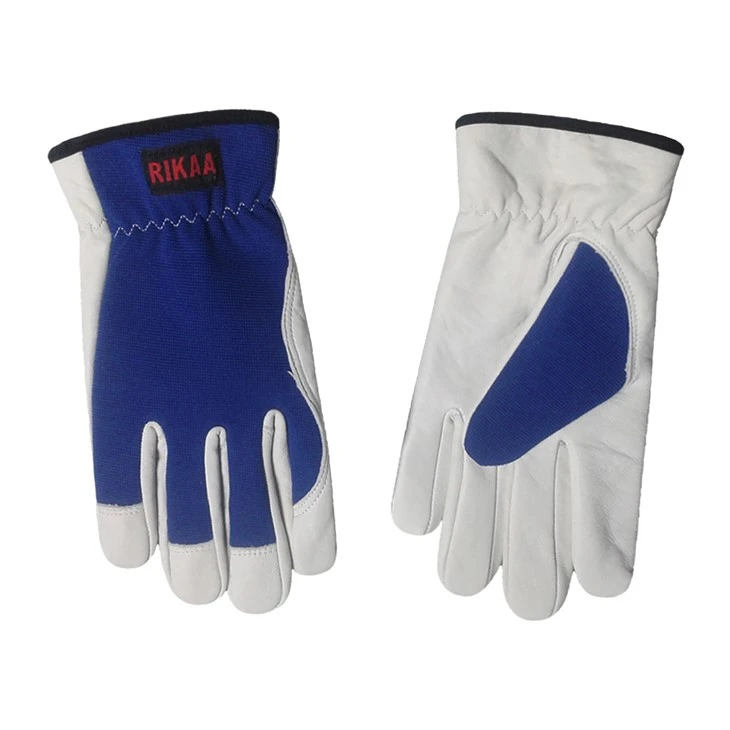

If you are interested in purchasing high - quality mechanic gloves for wet conditions or other applications, we invite you to visit our Gloves for Mechanic page. Our team is ready to assist you in finding the perfect gloves for your needs. Contact us for more information and to start a procurement discussion.
References
- ASTM International. (2023). Standards for hand protection in various industries.
- Leather Manufacturers Association. (2022). Properties and care of leather gloves.
- Synthetic Materials Research Institute. (2023). Water - resistant synthetic materials for glove manufacturing.