

Hey there, fellow cyclists! As a bicycle glove supplier, I get asked a lot about how often one should replace their bike gloves. It's a question that doesn't have a one - size - fits - all answer, but I'm here to break it down for you.
Factors Affecting Glove Lifespan
Usage Frequency
If you're an everyday cyclist, putting in long hours on the road or trails, your gloves are going to take a beating. The constant friction from gripping the handlebars, combined with the sweat and dirt, can wear them out pretty quickly. On the other hand, if you only cycle occasionally, say once or twice a month, your gloves will last much longer. For example, a daily commuter who cycles for an hour each way to work might need to replace their gloves every 3 - 6 months. But a weekend warrior who only rides a couple of hours on Saturdays might be able to get away with using the same pair for a year or more.
Type of Cycling
The type of cycling you do also plays a huge role. Mountain biking is much more intense than road cycling. When you're mountain biking, you're dealing with rough terrains, sudden stops, and more aggressive handling. This means your gloves are subject to more wear and tear. You're likely to scrape them against rocks, branches, and the ground. So, if you're a mountain biker, you might need to replace your gloves more frequently. Mountain Bike Gloves Outdoor are designed to withstand this kind of abuse, but they still have a limited lifespan. Road cyclists, on the other hand, have a bit more leeway. Their gloves are mainly exposed to wind, sweat, and the normal wear from gripping the bars.
Quality of the Gloves
The quality of the gloves you buy is a major factor. Higher - quality gloves are made with better materials and construction. They're more durable and can last longer. For instance, gloves with reinforced palms and high - grade stitching are going to hold up better over time. Cheaper gloves might seem like a good deal at first, but they'll probably need to be replaced more often. As a supplier, I always recommend investing in good - quality gloves. They might cost a bit more upfront, but they'll save you money in the long run.
Signs That It's Time to Replace Your Gloves
Wear and Tear
One of the most obvious signs is visible wear. If the palms of your gloves are starting to fray, or if the padding is wearing thin, it's time for a new pair. You don't want to be riding with gloves that don't offer proper protection. A worn - out glove can lead to blisters, numbness in your hands, and even injuries.
Loss of Functionality
Gloves are supposed to provide grip, padding, and protection. If you notice that your gloves are slipping on the handlebars, or if the padding no longer cushions your hands, it's a clear sign that they're past their prime. You might also find that the fingers of your gloves are starting to tear, which can be a safety hazard.
Odor
Let's face it, cycling can be a sweaty business. Over time, your gloves can start to develop a pretty unpleasant odor. If you've tried washing them and the smell still lingers, it's probably time to get a new pair. Not only is the smell unpleasant, but it can also be a sign of bacteria growth.
How to Extend the Life of Your Gloves
Proper Cleaning
Regular cleaning is essential. After each ride, take a damp cloth and wipe down your gloves. This will remove sweat, dirt, and grime. For a deeper clean, you can hand - wash them in mild soap and water. Just make sure to let them air dry completely before using them again. Avoid using a dryer, as the heat can damage the materials.
Storage
When you're not using your gloves, store them in a cool, dry place. Avoid leaving them in direct sunlight or in a hot car, as this can cause the materials to deteriorate. You can also hang them up to keep their shape.
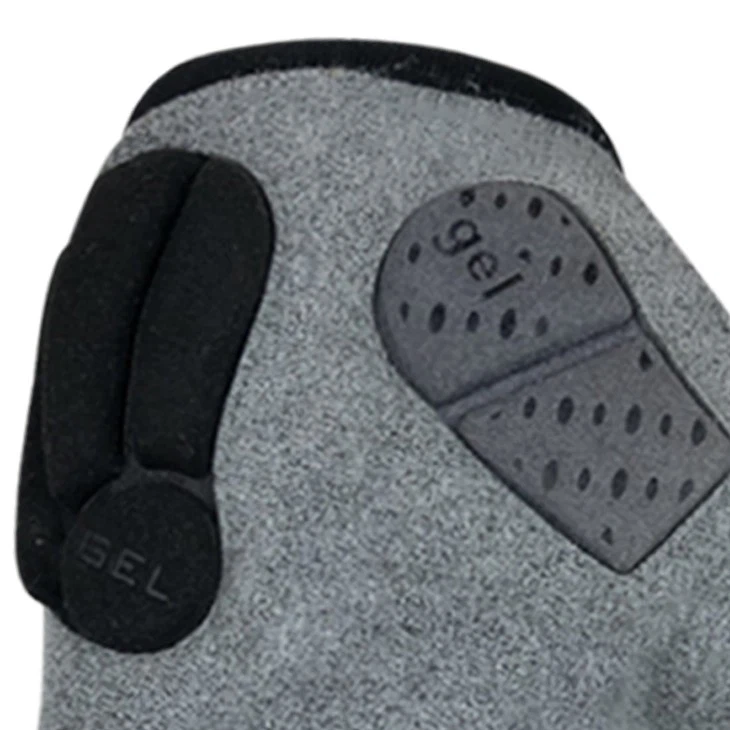

Different Types of Gloves and Their Replacement Intervals
Summer Half - finger Gloves
Summer Half - finger Gloves are great for warm - weather cycling. They offer good ventilation and flexibility. Since they're made for summer use, they're usually made with lighter materials. These gloves might need to be replaced every 4 - 8 months, depending on how often you use them.
Summer Mountain Bike Gloves
Summer mountain bike gloves are designed for the rigors of mountain biking in the summer. They have more padding and protection than regular summer gloves. However, because of the intense nature of mountain biking, they might need to be replaced every 3 - 6 months.
Conclusion
So, how often should you replace your bicycle gloves? It really depends on your usage, the type of cycling you do, and the quality of the gloves. As a general rule, if you're a frequent cyclist, you should plan on replacing your gloves every 3 - 6 months. If you cycle less often, you can stretch that to a year or more. But always keep an eye out for the signs of wear and tear.
If you're in the market for new bicycle gloves, I'd love to help. We have a wide range of high - quality gloves to suit every cyclist's needs. Whether you're a road cyclist, a mountain biker, or just someone who enjoys a casual ride, we've got you covered. Reach out to us for more information and to start a procurement discussion.
References
- Cycling Equipment Maintenance Guides
- Interviews with Professional Cyclists
- Manufacturer's Recommendations for Bicycle Gloves