

Hey there! I'm a supplier from Gloves Mechanical, and today I'm super excited to chat with you about the functions of the mechanical parts in gloves. You might be wondering, why are these mechanical parts so important? Well, stick around, and I'll break it all down for you.
Let's start with the basics. Gloves with mechanical parts are designed to serve a variety of purposes, and they're used in many different industries. Whether you're a mechanic working in a garage, a rescuer in a high - risk situation, or someone doing heavy - duty work, these gloves can be a game - changer.
Protection Against Physical Damage
One of the primary functions of the mechanical parts in gloves is to protect your hands from physical damage. For instance, in a garage setting, you're constantly dealing with sharp edges, rough surfaces, and heavy tools. The mechanical parts in Garage Gloves are specifically engineered to withstand these challenges.
The hard - shell components on the knuckles and fingertips can act as a shield against impacts. When you accidentally hit a tool or a rough surface, these parts absorb the shock and prevent it from reaching your hands. This not only reduces the risk of cuts and bruises but also protects your bones and joints from potential fractures.
In addition to impact protection, the mechanical parts can also provide resistance against abrasion. When you're handling rough materials or using tools that cause friction, the outer layer of the gloves with mechanical reinforcement can prevent your skin from getting scraped. This is especially important for workers who spend long hours using their hands, as constant abrasion can lead to painful blisters and calluses.

Enhanced Grip
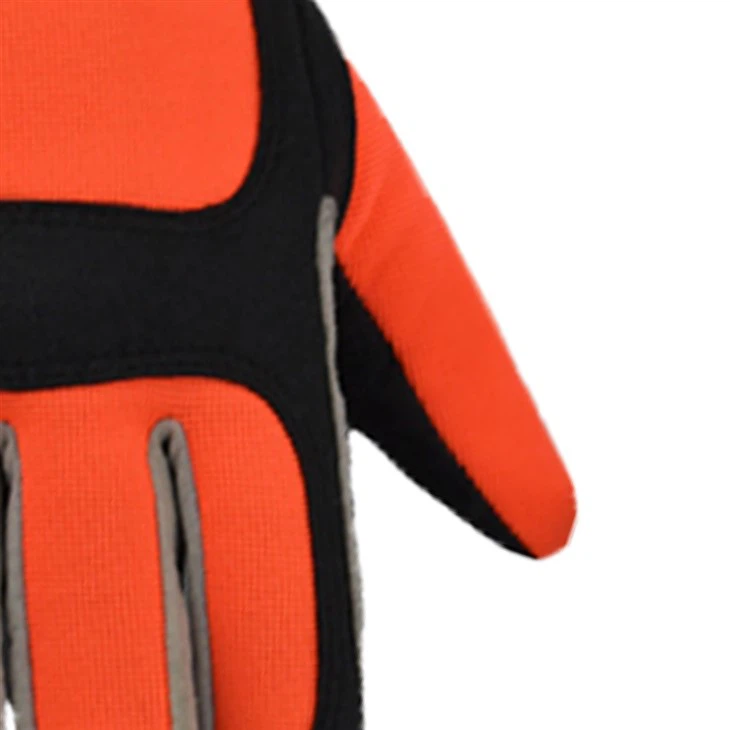
Another crucial function of the mechanical parts in gloves is to enhance your grip. In many work environments, a good grip is essential for safety and efficiency. For example, when you're working with ropes during a rescue operation, a secure hold can mean the difference between success and failure.
The Work safety gloves rope rescue are equipped with mechanical parts that improve the friction between your hands and the rope. These parts can be in the form of textured surfaces or small protrusions on the palm and fingers. They allow you to hold the rope firmly, even in wet or slippery conditions.
Similarly, in a mechanical workshop, when you're handling small parts or tools, a better grip helps you manipulate them more precisely. The mechanical enhancements on the gloves ensure that you don't drop the items, which can not only save time but also prevent potential accidents.
Dexterity and Precision
Contrary to what you might think, gloves with mechanical parts can actually improve your dexterity and precision. In modern glove design, the mechanical components are carefully engineered to fit the natural movement of your hands.
For example, the joints in the gloves are designed to flex and bend just like your fingers. This allows you to perform delicate tasks with ease, such as tightening small screws or handling electronic components. The cut proof work gloves are a great example. They are not only cut - resistant but also allow for a high degree of finger movement, so you can work on detailed projects without feeling restricted.
Temperature Resistance
Some gloves with mechanical parts are also designed to provide temperature resistance. In industrial settings where you might be exposed to extreme heat or cold, these gloves can keep your hands safe.
The mechanical parts can act as insulators. For example, in a foundry or a welding shop, the gloves with heat - resistant mechanical components can protect your hands from the intense heat. On the other hand, in cold environments like refrigerated warehouses, the mechanical parts can help to retain body heat and prevent your hands from getting frostbitten.
Chemical Resistance
In certain industries, workers are exposed to various chemicals. Gloves with mechanical parts can offer chemical resistance. The outer layer of the gloves, along with the mechanical reinforcements, can act as a barrier against corrosive substances.
For example, in a chemical laboratory or a manufacturing plant, the gloves prevent the chemicals from coming into contact with your skin. This is crucial as many chemicals can cause skin irritation, burns, or even more serious health problems.
Durability
The mechanical parts in gloves also contribute to their durability. When you're using gloves in a demanding work environment, they need to be able to withstand a lot of wear and tear.
The hard - wearing mechanical components on the gloves can prevent them from tearing or falling apart easily. This means that you don't have to replace your gloves as often, which can save you money in the long run. Whether you're using them for daily work or in a high - stress situation, durable gloves are a must - have.
Conclusion
As you can see, the mechanical parts in gloves serve a wide range of functions. They protect your hands from physical damage, enhance your grip, improve dexterity, provide temperature and chemical resistance, and increase durability. Whether you're a professional mechanic, a rescuer, or someone in a high - risk job, these gloves can make your work safer and more efficient.
If you're interested in purchasing high - quality gloves with mechanical parts for your work, we'd love to have a chat with you. We offer a wide range of gloves to meet different needs and requirements. Just reach out to us, and we can discuss your specific needs and find the perfect gloves for you.
References
- General knowledge about glove technology and industrial safety.
- Industry standards and research on protective gloves.