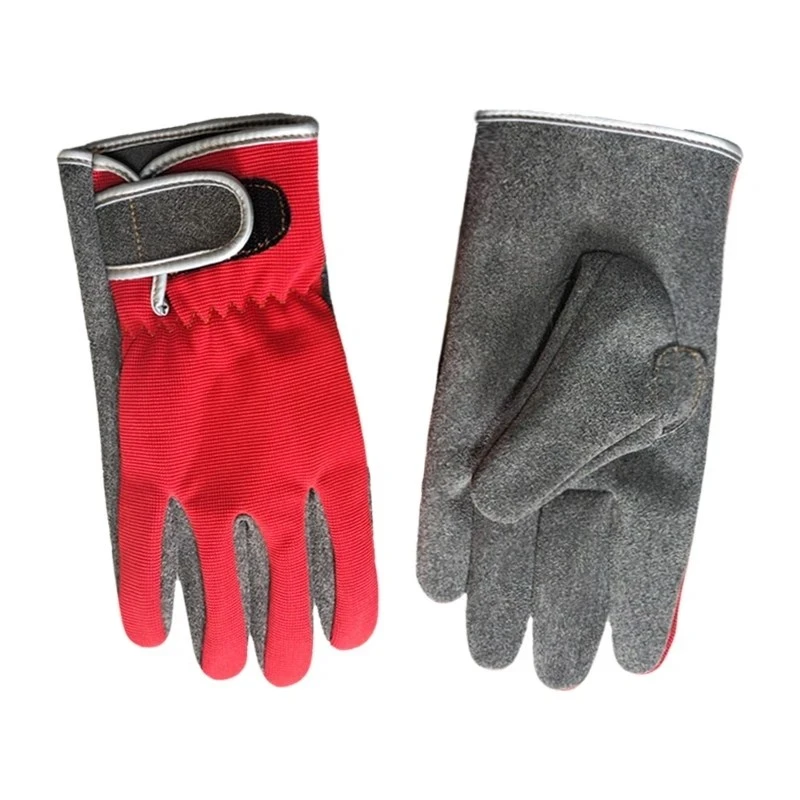
Different Mechanical Jobs Require Different Glove Designs
Mechanical work covers a wide range of activities, so one glove construction may not suit every application.
For example, automotive technicians often need flexibility when handling small fasteners, tools, and vehicle components. Workers in metal processing may require stronger abrasion and cut protection when handling rough or sharp materials. Equipment maintenance teams may prioritize grip and durability because their tasks involve repeated contact with machinery.
Before selecting a product, buyers should consider three questions:
What materials will workers handle?
Do the tasks require precise finger movement or heavy-duty protection?
Will the gloves be used in dry, oily, or mixed working conditions?
These details help determine the appropriate palm material, reinforcement structure, coating, and overall glove thickness.
Materials That Influence Performance
The choice of material affects comfort, grip, durability, and protection. Buyers should evaluate the complete glove construction rather than focusing on one material specification.
Synthetic Leather
Synthetic leather is frequently used in mechanical gloves because it offers flexibility and can provide a consistent surface for handling tools and components. Different textures can be selected to improve grip, while reinforced panels can be added to areas exposed to repeated friction.
Genuine Leather
Cowhide, goatskin, and other leather materials are used in various mechanical and industrial gloves. Cowhide is often selected for demanding general handling applications, while goatskin can provide a softer and more flexible feel. The final performance depends on leather grade, thickness, treatment, and construction.
Nitrile and Other Coatings
Nitrile-coated gloves can be suitable for mechanical tasks where workers need a secure grip, particularly when handling components with light oil contamination. Coating thickness and surface texture should be matched to the working environment.
However, no glove material should be assumed to protect against every chemical, oil, or mechanical hazard. Buyers should check the manufacturer's test information and application recommendations.
The Small Design Details That Make a Difference
A mechanical glove may use suitable materials and still perform poorly if its construction does not match the user's hand movements.
Several design details deserve attention during product development.
Reinforced palm areas
The palm frequently experiences friction when workers grip tools, hold components, or move materials. Additional reinforcement can help improve wear resistance in these high-contact areas.
Flexible finger construction
Finger flexibility is especially important for tasks involving screws, nuts, connectors, and small mechanical parts. Excessive material thickness around the fingers can reduce control and increase hand fatigue.
Secure wrist closure
Elastic cuffs or adjustable hook-and-loop closures help keep gloves in position during movement. Buyers should consider whether workers need quick glove removal or a more adjustable fit.
Breathable back materials
For tasks involving long working hours, breathable textile materials can improve wearing comfort. The design should balance airflow with the required level of coverage and protection.
In what situations are mechanical gloves typically used?
The applications of Mechanical Safety Gloves extend beyond automotive repair shops. Different industries have their own requirements, and product specifications should reflect the actual work being performed.
Automotive repair and maintenance: Handling tools, vehicle components, and mechanical parts.
Machinery manufacturing: Assembly, equipment adjustment, and general component handling.
Metalworking: Handling metal parts and materials where abrasion or cut hazards may exist.
Industrial maintenance: Repairing equipment, replacing components, and performing routine inspections.
Warehousing and material handling: Moving packaged components, equipment, and industrial supplies.
Construction equipment servicing: Maintaining machinery and handling tools in demanding work environments.
For jobs involving sharp edges, impact hazards, or chemical exposure, buyers should select gloves with suitable verified protection rather than relying on general-purpose mechanical gloves.
How to Evaluate Gloves Before Ordering in Bulk
A product photograph cannot tell buyers how a glove feels after several hours of use. Sample testing is therefore an important part of the purchasing process.
Instead of evaluating gloves only by appearance, procurement teams can organize a practical trial.
1. Test grip with actual equipment
Ask workers to handle the tools and components they use regularly. Check whether the palm material provides sufficient control without making the glove difficult to move.
2. Check flexibility during repeated tasks
Have users open and close their hands, pick up small parts, and perform routine mechanical operations. This helps identify uncomfortable seams or restrictive finger designs.
3. Inspect high-wear areas
Pay particular attention to the palm, thumb joint, fingertips, and stitching. These areas often reveal whether the construction is appropriate for the intended workload.
4. Compare different sizes
A glove that fits one employee may not suit another. Check the size range and confirm that the palm width and finger length are appropriate.
5. Review protection requirements
Request relevant test reports and verify that the selected glove meets the standards required by the intended market and application.
A well-organized sample evaluation can prevent costly problems after mass production, especially for distributors supplying multiple industrial customers.
Developing Custom Mechanical Gloves for Your Brand
For wholesalers, importers, and private-label brands, standard products may not always meet the requirements of a specific market. Custom manufacturing provides more flexibility in product design and presentation.
OEM and ODM options for mechanical gloves can include:
Customized palm materials and coating textures.
Different levels of palm and fingertip reinforcement.
Adjustable cuffs and alternative closure designs.
Custom colors, sizes, and material combinations.
Printed logos, embroidery, and rubber logo patches.
Private-label labels, hangtags, and retail packaging.
The most effective customization begins with a clear product specification. Buyers should communicate the target application, expected performance, preferred materials, and target price range before sample development.
This allows the manufacturer to assess which features are practical and helps avoid unnecessary design costs.
What to Look for in a Mechanical Glove Manufacturer
Choosing a manufacturing partner is just as important as choosing the product itself. Consistent material sourcing, pattern development, stitching quality, and production inspection all influence the final order.
LUQI has around 30 years of glove manufacturing experience, supplying work safety gloves, leather work gloves, mechanic gloves, welding gloves, driving gloves, and other specialized glove categories. With manufacturing facilities in China and Ethiopia, LUQI supports OEM and ODM production for international wholesalers, distributors, and private-label customers.
From material selection and sample development to logo customization and packaging, each project can be discussed according to the buyer's product requirements and target market.
Make the Right Choice for Your Mechanical Glove Range
The right mechanical gloves should match the work, not simply look heavy-duty. Grip, flexibility, material selection, reinforcement, and fit all influence how well a glove performs in daily industrial operations.
For buyers planning a new product range or upgrading an existing one, practical sample testing and clear specifications are essential steps toward a dependable supply program.
Contact LUQI to discuss your custom Mechanical Safety Gloves project and receive a professional quotation.