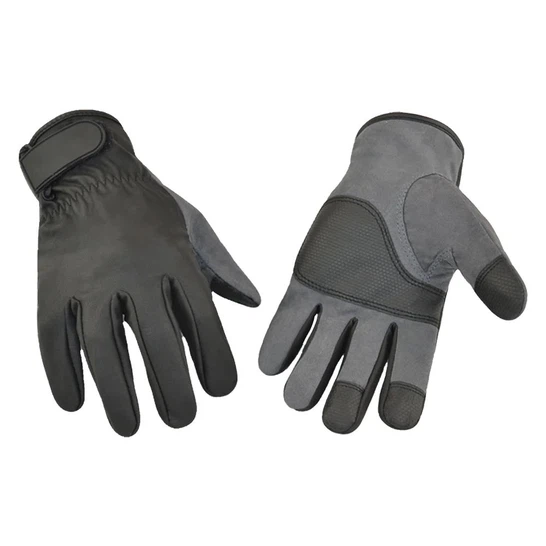
How Cut-Resistant Gloves Work
These materials are designed to resist sharp edges, which can reduce the risk of cuts and lacerations. These gloves can minimize injuries but cannot make your hands invulnerable to extreme force or improper use.
Do They Protect Mechanics?
Cut-resistant gloves can significantly reduce the risk of injury in many mechanical tasks.
They work as follows:
Protection from sharp tools: When using wrenches, screwdrivers, and other sharp tools, there is a risk of slipping and causing cuts. Gloves can effectively add a layer of safety and prevent accidental contact.
Safety from metal edges: When working with sheet metal or engine parts, mechanics will come into contact with sharp edges. This helps prevent deep cuts caused by handling some materials.
Reduces hand fatigue: With a very firm grip and dexterity, mechanics can effectively work efficiently without worrying about injuries.
Limitations and considerations
While these gloves provide excellent protection, they also have limitations:
Not puncture proof: They can prevent cuts, but may not prevent punctures from some sharp objects such as nails or needles.
Are they worth using? They provide reliable protection, reduce the risk of injury, and can improve overall workplace safety. They are a tool every mechanic should consider using.