Different Use Cases Dictate Design
Fitness gloves are designed for controlled training environments, such as gyms, home gyms, or cross-training studios. Movements are repetitive and predictable. The primary goals are to improve grip, reduce hand fatigue, and prevent calluses or skin tears during weightlifting or pulling exercises.
Racing motorcycle gloves are designed for unpredictable, high-speed outdoor environments. Riders face wind, vibration, high temperatures, and the constant risk of impact or abrasion. Therefore, protection-not just comfort-is paramount. This difference in use case dictates every technical decision in glove development.
Materials: Comfort vs. Protection
Most fitness gloves use lightweight materials such as microfiber leather, synthetic suede, or breathable mesh. These materials offer flexibility, breathability, and ease of hand movement. Padding is typically limited to the pressure points on the palm.
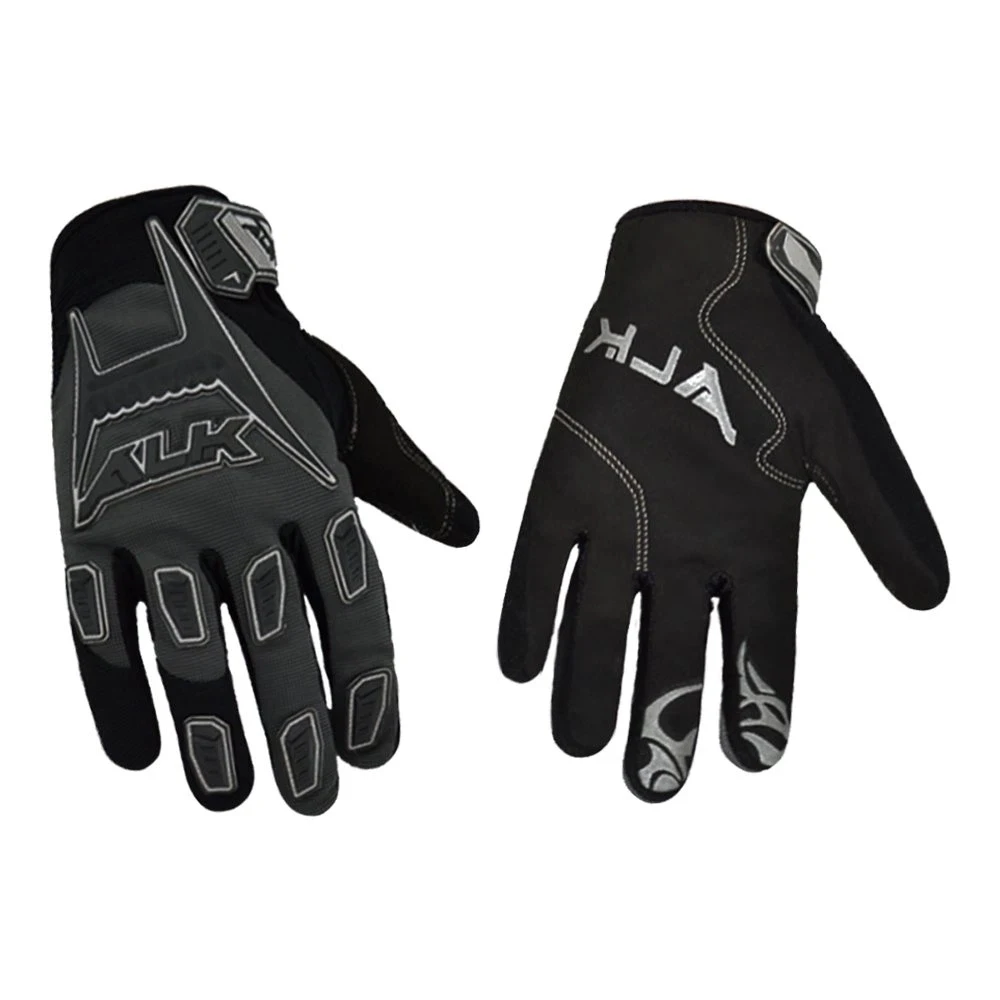
Racing motorcycle gloves rely on structural materials such as full-grain leather, reinforced stitching, TPU protectors, and sometimes carbon fiber knuckle guards. These materials are chosen for their resistance to tearing and abrasion during slides on asphalt. Experienced manufacturers understand that using fitness glove-level materials in motorcycle gloves would compromise rider safety.
Construction and Safety Philosophy
Fitness gloves prioritize ergonomics. Many feature fingerless designs, elastic wrist straps, and simple closures. Due to the relatively low risk level, safety standards are less stringent.
Motorcycle racing gloves typically adhere to CE-related safety philosophies. Features such as extended cuffs, wrist retention systems, and palm sliders help mitigate injuries during crashes. In the professional or semi-professional market, buyers increasingly demand customized protection solutions to match riding style and relevant regulations.
Fit, Customization, and Market Expectations
In the fitness glove market, customization typically means logo printing, color choices, or packaging changes. Product life cycles are short, and price competitiveness is crucial.
Racing motorcycle gloves require more in-depth custom development. Fit, leather thickness, climate adaptability, and the placement of protective devices are all critical. This is why brands prefer to work directly with experienced manufacturers rather than distributors with limited technical control capabilities.
Business and Brand Differences
From a business perspective, fitness gloves are mass-produced products for the general fitness market. Racing motorcycle gloves, on the other hand, target a customer base that prioritizes technology and brand loyalty. Riders value performance testing, durability, and brand reputation. Clear product positioning helps distributors avoid misuse and build long-term trust. Summary
The difference between fitness gloves and racing gloves is not merely a matter of appearance, but crucial in functionality and safety. Each type of glove has its specific purpose, and using them interchangeably can lead to poor performance or even serious injury.
For brands and wholesalers, choosing the right development partner is just as important as choosing the right materials. To discuss product positioning, OEM solutions, or customized solutions, the most effective next step is to contact a professional glove manufacturer with extensive experience in both the fitness and motorcycle protection markets.