Choosing the right construction gloves is one of the simplest yet most important decisions workers and safety managers make every day. A reliable pair of gloves protects workers from cuts, abrasions, impacts, and harsh working conditions. With a wide variety of gloves available, the challenge lies in understanding which design, material, and protection level truly meets the needs of a construction site. This guide explains the key points for selecting gloves, how to evaluate different types, and why the right choice contributes to long-term efficiency and safety.
Construction environments vary widely, from bricklaying and carpentry to handling steel, pouring concrete, or operating heavy machinery. No single glove design can meet all needs. The selection process should begin by identifying the primary hazards: sharp metals, rough surfaces, vibration, hot materials, or severe impacts. Once the hazards are identified, it becomes easier to narrow down the choices and find the appropriate glove type.
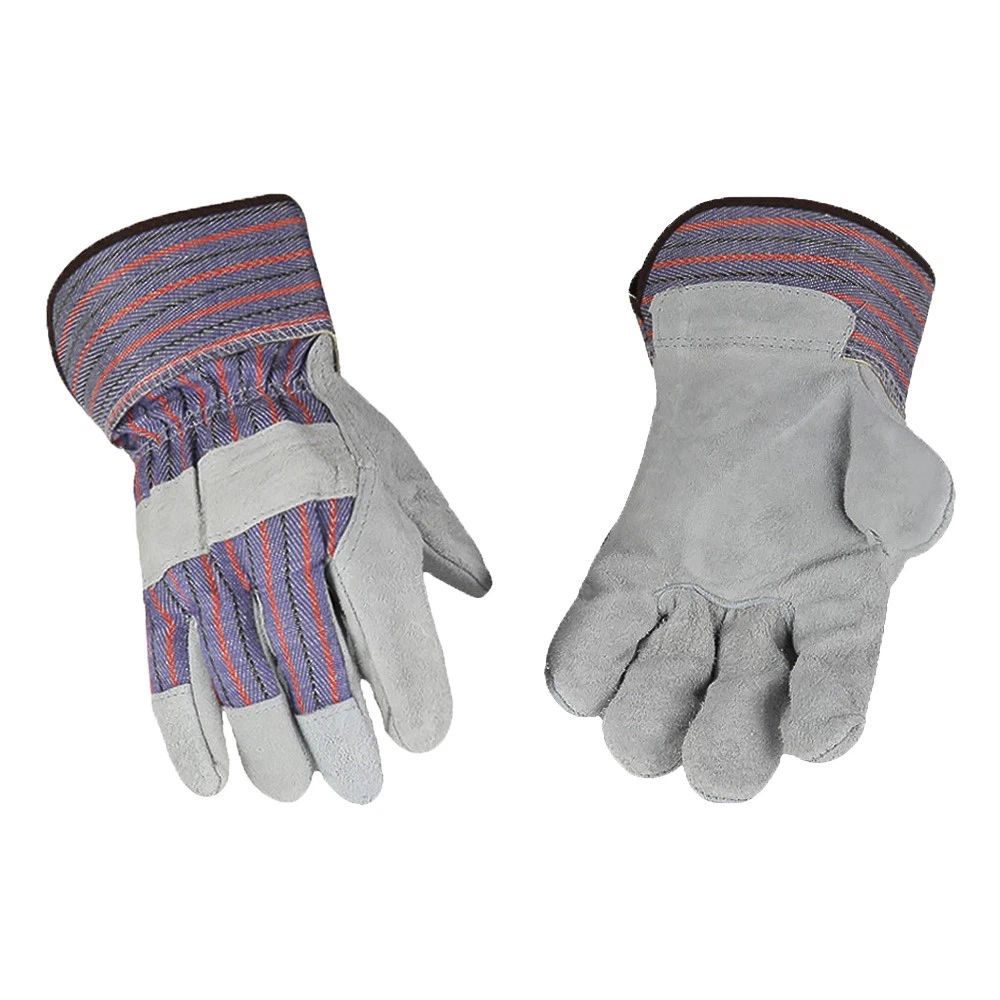
Leather gloves remain a preferred choice due to their durability and comfort. They are suitable for general construction work, handling lumber, carrying materials, or working on rough surfaces. Two-piece leather gloves effectively absorb friction and withstand repeated wear. For jobs requiring frequent tool use, driving glove-style leather gloves offer better flexibility and a more snug fit. Some teams may request custom adjustments, such as reinforced palm support or improved wrist support, for a more precise fit for daily work.
Coated gloves are more effective when grip strength and precision are critical. Nitrile-coated gloves offer excellent slip resistance, making them particularly suitable for workers handling metal pipes, power tools, or wet or oily materials. They also provide excellent tactile sensitivity, making them suitable for tasks such as installation, wiring, or operating hand tools. Polyurethane-coated gloves offer superior flexibility and are often used for delicate construction tasks requiring both flexibility and protection.
Cut-resistant gloves are essential for workers handling thin metal sheets, steel components, or sharp materials. Modern fibers such as HPPE and aramid provide reliable protection while remaining lightweight. Construction workers and machining workers frequently use these gloves because they reduce the risk of cuts without restricting hand movement. Many manufacturers now offer gloves with integrated breathable linings, seamless construction, and reinforced fingertips to improve durability and comfort during extended wear.
Impact-resistant gloves are another category with a continuously growing demand in the construction industry. Workers using power tools, breakers, or demolition equipment face constant impact and vibration. Thermoplastic rubber (TPR) padding protects knuckles and the back of the hand from sudden impacts while absorbing vibrations to reduce fatigue. Choosing gloves with a thick TPR overlay and flexible panels helps strike a balance between protection and flexibility.
In environments involving sparks, hot surfaces, or heat exposure, heat-resistant or welding-grade gloves are required. These gloves must combine insulating materials, thick leather, and flame-retardant materials to ensure reliable protection. While not all construction work requires them, they play a crucial role in pipe installation, welding preparation, and metalworking areas.
Fitness and comfort are paramount. Gloves that are too loose can create a slippery hazard, while gloves that are too tight can restrict blood circulation and reduce finger dexterity. Adjustable cuffs, breathable fabrics, and ergonomic fingertip designs help workers maintain better productivity and reduce fatigue throughout the workday.
Durability is also an important factor in glove selection. High-quality stitching, reinforced seams, and strong palm material extend the lifespan of the gloves. While the initial cost of high-quality gloves may be slightly higher, the long-term savings are often realized due to reduced replacement frequency.
For companies with specific needs, many suppliers offer customized solutions, ranging from highly breathable gloves for hot climates to reinforced gloves for demolition work. Teams requiring more detailed information, bulk quotes, or technical specifications can easily contact trusted manufacturers for tailored advice and support.
Choosing the right construction site gloves ultimately improves safety, minimizes workplace injuries, and increases productivity. By understanding hazards, materials, and task requirements, construction teams can make more informed decisions, protecting workers and improving overall site efficiency.