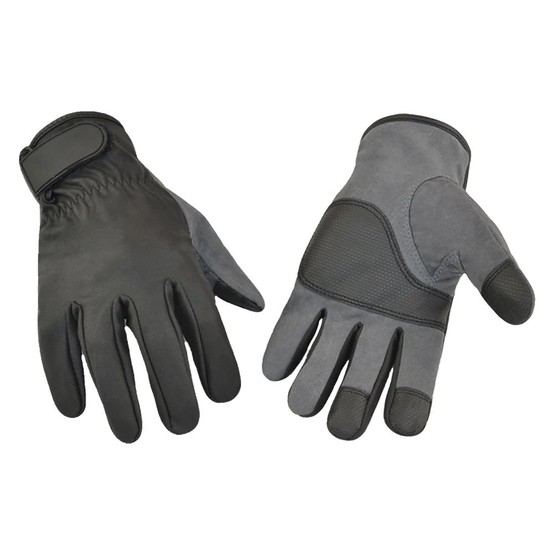
1. Durability and longevity
Leather quality:
We mainly design gloves that can withstand some daily wear and tear. We choose gloves made from durable leathers such as goat or deerskin, which have good softness and toughness.
Construction:
The stitching and construction of the gloves can be checked in time. And reinforced seams and double stitching can enhance durability and make the gloves more suitable for daily use.
2. Comfort
Fit:
Make sure the gloves fit well. The gloves do not need to be too tight to allow for full range of motion and flexibility.
Breathability:
Generally, they are very breathable. If you plan to wear them for a long time, make sure the gloves are not too thick. This will help keep your hands cool and comfortable.
3. Protection
Protection level:
It can provide basic protection against cuts, abrasions and violent impacts. Make sure it is suitable for the specific tasks you perform every day. Gloves with extra protection are fully capable of handling more dangerous tasks.
Flexibility:
It can provide better flexibility and dexterity, which is very important for tasks that require precision.
4. Maintenance
Cleaning:
Clean the gloves regularly according to the manufacturer's instructions. Typically, you can wipe with a damp cloth or use a mild soap solution. Allow the gloves to air dry completely before the next use.
Conditioning:
Leather can dry out and crack over time. Regular use of a leather conditioner will keep the gloves soft and extend their life.
5. Use
Everyday Tasks:
Lightweight leather gloves are great for tasks like gardening, light construction, mechanical work, and general maintenance. They are generally not suitable for heavy-duty tasks involving sharp or extremely rough materials unless they have additional reinforcement.
Environment:
Consider the environment in which the gloves will be used. Extreme temperatures and prolonged exposure to moisture can take a toll on leather gloves. If you work in a wet environment, look for gloves that have been treated to be waterproof.