

As a seasoned supplier of leather work gloves, I've encountered numerous inquiries from customers regarding the proper cleaning methods for these essential pieces of protective gear. One of the most frequently asked questions is whether leather work gloves can be machine - washed. In this blog post, I'll delve into this topic, providing you with in - depth information based on scientific knowledge and practical experience.
The Nature of Leather
Leather is a natural material derived from animal hides. It has unique properties that make it ideal for work gloves, such as durability, flexibility, and resistance to abrasion. However, these very properties also mean that leather requires special care. Leather consists of a complex structure of collagen fibers, which give it strength and shape. When exposed to water and mechanical agitation, these fibers can be affected in various ways.
Effects of Water on Leather
Water can have both positive and negative impacts on leather. On one hand, a small amount of moisture is necessary to keep leather supple. But excessive water can cause the leather to lose its natural oils, leading to drying, cracking, and shrinkage. When leather is soaked in water for an extended period, the collagen fibers can swell. This swelling can disrupt the structure of the leather, making it weaker and less durable over time.
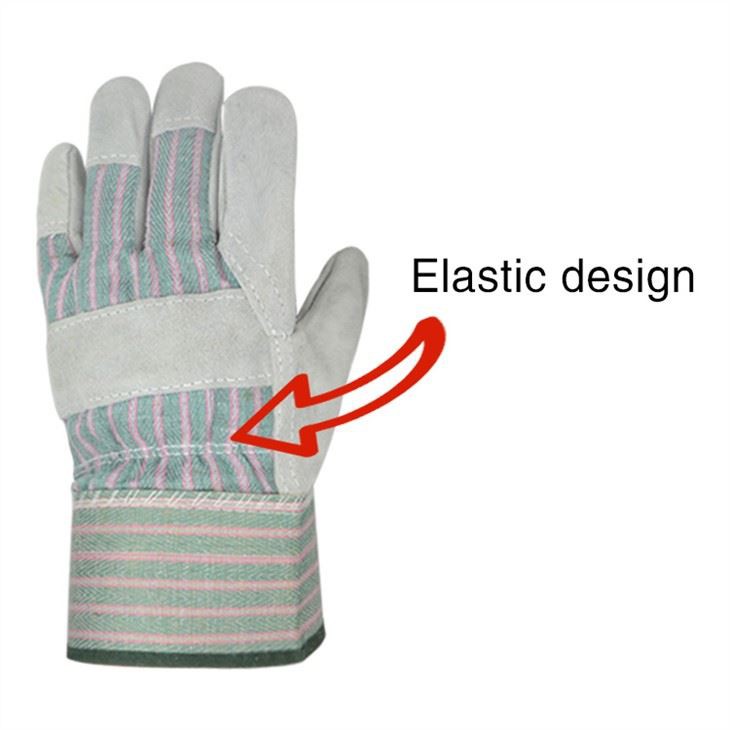

Mechanical Agitation in a Washing Machine
A washing machine subjects items to a high level of mechanical agitation. The spinning, tumbling, and rubbing action in the machine can be too harsh for leather. The forceful movement can cause the leather to stretch unevenly, resulting in a distorted shape. Moreover, the friction between the gloves and other items in the machine can lead to surface damage, such as scratches and scuffs.
Potential Risks of Machine - Washing Leather Work Gloves
Damage to the Leather Surface
Machine - washing can cause the surface finish of leather work gloves to deteriorate. The agitation in the machine can wear off the protective coating on the leather, exposing it to further damage from dirt, moisture, and chemicals. For example, if the gloves have a water - repellent finish, machine - washing can remove this coating, making the gloves more susceptible to water damage.
Shrinkage and Loss of Shape
As mentioned earlier, water and mechanical agitation can cause leather to shrink. Once the leather has shrunk, it may no longer fit properly, reducing the effectiveness of the gloves. A pair of gloves that has shrunk can be uncomfortable to wear and may restrict movement, which is a significant concern for workers who rely on their gloves for dexterity.
Weakening of the Stitching
The stitching on leather work gloves is an important part of their construction. Machine - washing can put stress on the stitching, causing it to loosen or break. This can lead to the gloves falling apart, rendering them useless. The constant movement in the washing machine can also cause the thread to fray, further weakening the stitching.
Alternatives to Machine - Washing
Hand - Washing
Hand - washing is a much gentler option for cleaning leather work gloves. Fill a basin with lukewarm water and add a small amount of mild leather cleaner. Gently submerge the gloves in the water and use a soft cloth or sponge to wipe away dirt and stains. Avoid scrubbing too hard, as this can damage the leather. After cleaning, rinse the gloves thoroughly with clean water and pat them dry with a towel.
Spot - Cleaning
For minor stains, spot - cleaning is often sufficient. Use a damp cloth and a small amount of leather cleaner to gently clean the affected area. This method allows you to target specific stains without subjecting the entire glove to water.
Specific Types of Leather Work Gloves
Leather driving gloves men
These gloves are designed for both style and functionality. They are typically made from high - quality leather and may have a more delicate finish. Machine - washing these gloves is not recommended, as it can damage the leather's appearance and texture. Hand - washing or spot - cleaning is the best way to keep them clean and in good condition.
Sheepskin Leather Work Gloves
Sheepskin leather is known for its softness and warmth. However, it is also more delicate than some other types of leather. Machine - washing sheepskin leather work gloves can cause the fur to mat and the leather to shrink. It's advisable to follow the hand - washing or spot - cleaning methods to preserve the quality of these gloves.
Suede Work Gloves
Suede is a type of leather with a soft, velvety surface. Machine - washing suede work gloves can be particularly damaging, as it can flatten the nap of the suede and cause discoloration. Specialized suede cleaners and brushes should be used for cleaning these gloves, and they should never be submerged in water for an extended period.
Maintaining Leather Work Gloves
In addition to proper cleaning, regular maintenance is essential for extending the lifespan of leather work gloves. After each use, wipe the gloves with a dry cloth to remove dirt and sweat. Apply a leather conditioner periodically to keep the leather supple and prevent it from drying out. Store the gloves in a cool, dry place away from direct sunlight to avoid fading and cracking.
Conclusion
In conclusion, machine - washing leather work gloves is generally not recommended due to the potential risks of damage to the leather, stitching, and shape. Hand - washing and spot - cleaning are safer and more effective methods for keeping your gloves clean. As a supplier of high - quality leather work gloves, I understand the importance of proper care to ensure that our customers get the most out of their gloves.
If you're in the market for leather work gloves or have any questions about their care and maintenance, I encourage you to reach out to us. We're here to provide you with the best products and advice to meet your needs. Contact us to start a procurement discussion and find the perfect leather work gloves for your requirements.
References
- "The Science of Leather Care" by Leather Research Institute
- "Best Practices for Cleaning and Maintaining Leather Goods" by Professional Leather Care Association