
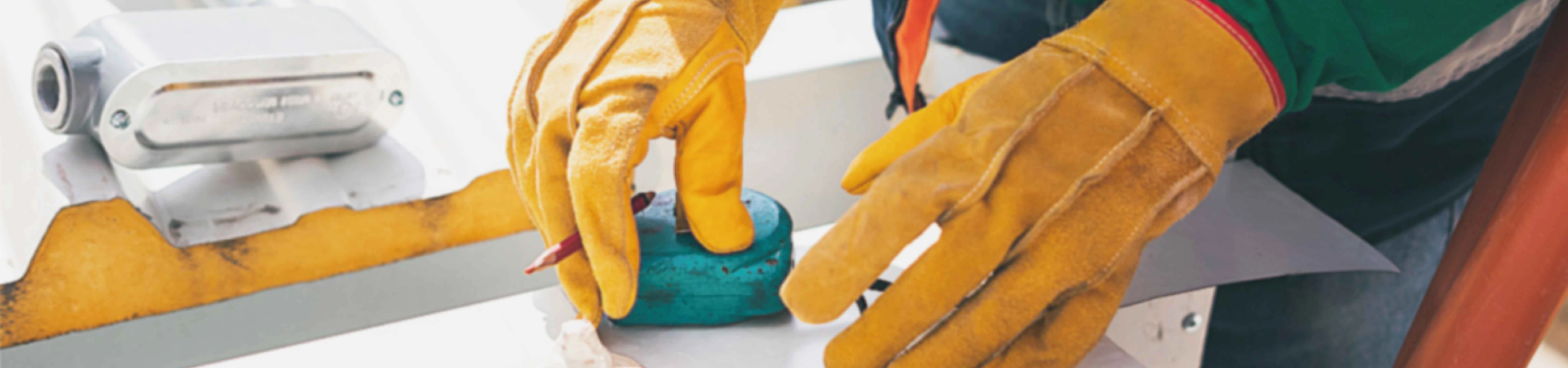


Riding Gloves Leather
Products Description
Riding Gloves Leather are designed to combine the natural character of genuine leather with the practical demands of riding. The leather surface provides a distinctive texture and structured hand feel, while the glove construction is shaped around the way the hand grips and moves during riding. The palm is built for repeated contact with the handlebar, with reinforcement options available in areas exposed to greater friction and pressure.
A well-shaped thumb and finger construction allows the hand to bend naturally without unnecessary pulling across the seams. Depending on the design, the glove can feature full-finger or half-finger construction, giving riders different levels of coverage and finger freedom. Leather can also be combined with stretch fabric or breathable textile panels where additional flexibility or airflow is required.
Another important feature is the choice of leather. Cowhide can provide a stronger, more structured feel, while goatskin offers greater softness and flexibility. Sheepskin can create a smoother hand feel, and split leather provides a practical option for more cost-conscious products. Different leather choices can therefore give the same basic riding glove a completely different character.
With its combination of natural leather texture, reinforced palm construction, flexible finger movement, secure wrist fit, and distinctive appearance, Riding Gloves Leather can be developed for motorcycle riding, cycling, outdoor riding, and lifestyle-oriented glove collections.

Technical Specifications
| Item | Specification |
|---|---|
| Main Material | Cowhide / Goatskin / Sheepskin / Split Leather |
| Construction | Full Finger / Half Finger / Hybrid |
| Palm | Leather / Reinforced / Padded / Grip |
| Back | Leather / Textile / Stretch Fabric / Mesh |
| Finger Design | Standard / Custom |
| Lining | Unlined / Textile / Custom |
| Cuff | Elastic / Hook & Loop / Custom |
| Sizes | Custom Size Range |
| Colors | Custom Colors |
| Branding | Embossed / Printed / Woven Label |
| Packaging | Bulk / Individual / Retail / Private Label |
Production Process


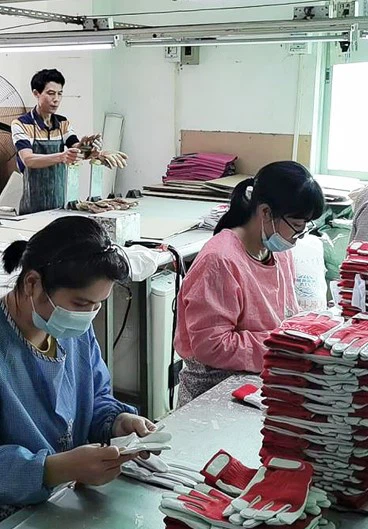

Leather Is What Gives the Glove Its Character
The most obvious difference between leather riding gloves and many synthetic alternatives is the material itself.
Leather has a natural grain and texture, and no two hides are completely identical. This gives the finished glove a more individual appearance. The choice of leather can also change the way the glove feels when worn.
Cowhide is often selected when a firmer and more substantial construction is required. Goatskin can be considered when greater softness and flexibility are important. Sheepskin provides a smooth hand feel, while split leather offers a more practical option for cost-conscious product lines.
For premium products, full-grain leather can become part of the visual identity of the glove rather than simply serving as a functional material.
The right leather should therefore be selected according to the intended product, target customer, and price position.
The Palm Tells You How the Glove Is Designed
The palm is one of the most important areas of a riding glove because it remains in contact with the handlebar during riding.
A poorly considered palm can make a glove feel bulky, slippery, or uncomfortable even when the leather itself is high quality. For this reason, the palm construction can be developed separately from the rest of the glove.
Possible designs include:
Single-layer leather palm
Double-layer leather palm
Reinforced palm sections
Grip surfaces
Padded palm areas
Mixed leather and textile construction
Reinforcement can be concentrated around areas exposed to repeated pressure and friction instead of making the entire glove thicker. This creates a more balanced construction and can help preserve hand movement.
Product Details
 z
zRiding Gloves Leather are made with carefully selected leather to provide a distinctive combination of natural texture, structured feel, and everyday durability. Cowhide, goatskin, sheepskin, and split leather can be selected according to the desired product level, riding environment, and target price.

The glove pattern follows the movement of the palm, thumb, and fingers during riding. Flexible finger construction and well-positioned seams help reduce unnecessary bulk, while the palm can be reinforced in areas exposed to repeated contact with the handlebar.
 zz
zzFull-finger and half-finger constructions are available for different riding preferences. Leather can also be combined with stretch fabric, mesh, or other materials to create lighter or more flexible designs. Palm reinforcement, grip sections, cuff styles, lining, and stitching can be adjusted for different product requirements.

Brands, wholesalers, and distributors can customize leather type, color, size, pattern, palm construction, reinforcement, logo, labels, and packaging. OEM and private-label production allows each buyer to develop a leather riding glove that fits its own product range, market positioning, and retail requirements.
The Thumb and Fingers Need Their Own Space
A riding glove follows a moving hand, not a fixed shape.
The thumb repeatedly changes position while gripping the handlebar, while the fingers bend and straighten throughout the ride. If the pattern is too tight, seams may pull when the hand closes. If it is too loose, the glove may feel less controlled.
Good pattern development therefore considers finger length, thumb positioning, finger-base flexibility, and seam placement.
For custom projects, these areas can be adjusted according to the target hand size and preferred fit. Different finger constructions can also be developed for full-finger and half-finger models.


Packaging, Logistics & Delivery
01
Packaging
Each pair of Riding Gloves Leather can be packed according to the buyer's sales and storage requirements. Options include individual polybags, hangtags, retail-ready packaging, inner boxes, and master cartons. For private-label orders, branded labels, barcodes, and carton markings can be included to simplify warehouse and retail handling.
02
Logistics
Bulk orders are organized based on carton quantity, destination, order volume, and the required shipping method. Before dispatch, products are counted, packed, and checked against the approved order specifications to help keep the shipment organized and reduce handling issues during international transportation.
03
Delivery
Delivery arrangements are confirmed according to the production schedule and shipping destination. Sample approval, material availability, customization details, and order quantity are considered before the final production timeline is confirmed, giving buyers a clearer schedule for inventory planning and product launches.

Leather Does Not Have to Cover Everything
A common misconception is that a leather riding glove must be made entirely from leather.
In practice, combining materials can produce a more balanced product.
Leather can be used on the palm, thumb, or selected finger areas where its natural surface and structure are valuable. Stretch fabric can then be placed on the back of the hand to accommodate movement, while mesh can be considered for products designed around warm-weather use.
This type of construction can offer another advantage for B2B buyers: material usage can be adjusted according to the required performance and target cost.
Different Leather, Different Product Position
| Leather Type | Product Character | Recommended Direction |
|---|---|---|
| Full-Grain Cowhide | Structured and distinctive | Premium riding gloves |
| Cowhide | Firm and practical | Durable riding gloves |
| Goatskin | Soft and flexible | Flexible riding gloves |
| Sheepskin | Smooth and soft | Comfort-focused models |
| Split Leather | Practical and economical | Value-oriented products |
| Leather + Textile | Balanced construction | Lightweight or seasonal models |


FAQ
Q: What leather is commonly used for riding gloves?
A: Cowhide, goatskin, sheepskin, and split leather are common choices. The most suitable option depends on the desired hand feel, construction, appearance, and target price.
Q: Can leather riding gloves be lightweight?
A: Yes. You can combine thinner leather with selected textile panels to reduce unnecessary bulk.
Q: Can the palm have extra reinforcement?
A: Yes. You can add reinforcement to selected high-contact areas, such as the palm, thumb base, or finger sections.
Q: Can you make both full-finger and half-finger versions?
A: Yes. We can develop different finger constructions based on the intended market and product requirements.
Q: Can I combine different materials in one glove?
A: Yes. Leather can be combined with stretch fabric, mesh, or other materials to create a specific balance between structure and movement.
Q: Can you develop a completely private-label product?
A: Yes. The leather, pattern, construction, colors, logo, labels, and packaging can all be developed according to the buyer's specifications.
Our Certificate
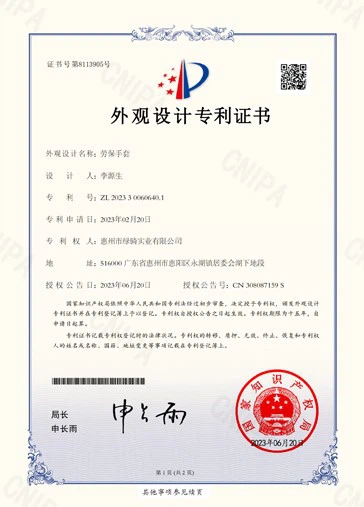
Labor protection gloves appear patent
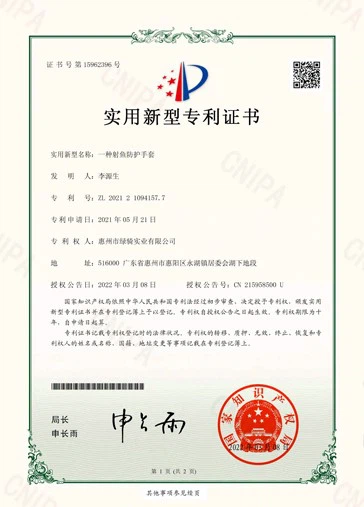
A fishing protective glove- utility model patent certificate

A motorcycle glove with increased adhesion, Utility Model Patent Certificate

A high-speed and stable special glove machine-utility model patent certificate
Contact Us
If you are looking for a Leather Riding Gloves Manufacturer for wholesale, OEM, or private-label production, send us your product requirements and target market.
You can provide a reference sample, drawing, product image, leather preference, estimated order quantity, logo requirements, or packaging concept. Our team can help turn these requirements into a production-ready Riding Gloves Leather specification.
📧 Email Us: [anson.lee@luqi.biz]
📞 Call Us: [+8613502228011]
🌐 Visit Our Website: [www.luqigloves.com/]
Hot Tags: riding gloves leather, China riding gloves leather suppliers, manufacturers, factory
Send Inquiry
